Nepal Holiday Tours Trekking Packages
Nepal is a popular destination for trekking enthusiasts from all over the world. With its stunning Himalayan landscapes, diverse culture, and friendly people, Nepal offers a wide range of trekking options to suit various interests and fitness levels.
Planning Your Trek
When planning a trek in Nepal, it's essential to consider factors such as the time of year (the best trekking seasons are spring and autumn), physical fitness, permits, and the length of the trek. Hiring a local guide and/or a porter is common and can enhance your overall experience.
Responsible Trekking
Nepal is a country of diverse natural beauty and cultural richness, and trekking is an incredible way to immerse yourself in its wonders. However, it's crucial to trek responsibly, respecting the local culture, environment, and wildlife along the way. Always make sure to be well-prepared and informed.
Nepal Holiday Tours Trekking Packages (2026 / 2027)
Nepal is all about Himalayas, Ancient Heritage and spectacular Hills. So whenever travelers put Nepal in their travel bucket list, most of them seek for the trips that include Himalayas, Heritage and Hills with the best prices.

Alan Julie
Trip of a lifetime!
This trip to the Everest Base Camp was without doubt a most amazing adventure.
Everest Base Camp Trek
Everest / Solu Khumbu RegionOne of the most iconic treks in the world, this route takes you through the Khumbu region, passing through picturesque Sherpa villages and offering breathtaking views of Mount Everest and other Himalayan peaks.
- 5,600m (18,373ft)
- 10-15 days
- $990 - $1450
| # | Packages | Price |
|---|---|---|
| 1 | Everest Base Camp Trek 15 days | $1450 |
| 2 | Everest Base Camp Trek 10 days | $990 |
| 3 | Everest Base Camp Trek 11 days | $1050 |
| 4 | Everest Base Camp Trek 12 days | $1170 |
| 5 | Everest Base Camp Trek 13 days | $1310 |
| 6 | Everest Base Camp Trek 14 days | $1370 |
Everest Base Camp Trek FAQs
The standard Everest Base Camp trek takes 12 to 14 days round trip from Lukla. This timeframe includes 8 to 9 days to reach the base camp and 3 to 4 days to trek back down, incorporating mandatory acclimatization days to prevent altitude sickness.
The trek is classified as moderately difficult. It requires no technical climbing skills or mountaineering equipment, as it is a multi-day hike. However, trekking 5 to 7 hours daily on steep, rocky terrain at high altitudes makes it physically demanding.
The two primary trekking seasons are autumn and spring. Pre-monsoon (March to May) offers warmer weather and blooming rhododendrons. Post-monsoon (September to November) provides clear skies, crisp air, and the most spectacular mountain views.
While experienced trekkers historically went solo, hiring a licensed guide is highly recommended for navigation, safety, and cultural insights. Please note that Nepal's tourism board periodically updates regulations regarding solo trekking in specific regions; always check current local rules before planning a solo trip.
An average EBC trek costs between $1,200 and $3,000 USD per person. This price varies based on whether you choose a local agency, international agency, or luxury lodge options. It typically covers flights to Lukla, permits, accommodation, meals, and guide fees.
Trekkers require two primary permits: the Khumbu Pasang Lhamu Rural Municipality Permit and the Sagarmatha National Park Entry Permit. If you are trekking from Jiri instead of flying to Lukla, you will also need a Gaurishankar Conservation Area Permit.
Prevent Acute Mountain Sickness (AMS) by ascending slowly (no more than 300-500m of elevation gain per day), staying well-hydrated (4-5 liters of water daily), taking scheduled acclimatization days, and avoiding alcohol. Some trekkers use Diamox under medical advice.
Accommodation consists of local trailside inns known as teahouses. They offer basic, twin-sharing rooms with wooden beds, mattresses, and blankets. Common areas are heated by a central stove, while bedrooms are typically unheated. Hot showers and Wi-Fi are available for an extra fee.
Yes, specialized travel insurance is essential. Your policy must specifically cover high-altitude trekking up to 6,000 meters and include provisions for emergency helicopter evacuation, medical expenses, and trip cancellation.
Teahouses serve a surprising variety of meals. The staple and best option is Dal Bhat (rice, lentil soup, and vegetable curry), which provides endless refills. Other options include pasta, potatoes, eggs, noodles, porridge, and bread. Eating vegetarian is highly advised to avoid foodborne illness from unrefrigerated meat.

Hatha S
Great experience to ABC
Amazing trek to the Annapurna Base Camp, enjoying every single moment of it, also exhausting, never climbed so many steps in my life
Annapurna Base Camp Trek
Annapurna RegionOne of the most iconic treks in the world, this route takes you through the Khumbu region, passing through picturesque Sherpa villages and offering breathtaking views of Mount Everest and other Himalayan peaks.
- 4,130m (13,549ft)
- 4-11 days
- $435 – $880
| # | Packages | Price |
|---|---|---|
| 1 | Annapurna Base Camp Trek 7 days | $540 |
| 2 | Annapurna Base Camp Trek 11 days | $570 |
| 3 | Annapurna Base Camp Trek 4 days | $880 |
| 4 | Annapurna Base Camp Trek 5 days | $375 |
| 5 | Annapurna Base Camp Trek 6 days | $405 |
| 6 | Annapurna Base Camp Trek 8 days | $435 |
| 7 | Annapurna Base Camp Trek 9 days | $510 |
| 8 | Annapurna Base Camp Trek 10 days | $540 |
Annapurna Base Camp Trek FAQs
The maximum altitude reached on this trek is 4,130 meters (13,549 feet) at Annapurna Base Camp. Machhapuchhre Base Camp, which you pass along the way, sits slightly lower at 3,700 meters.
The classic Annapurna Base Camp trek typically takes 7 to 11 days to complete. The exact duration depends heavily on your starting point from Pokhara, your physical fitness level, and your chosen itinerary route.
The best times to visit are during the spring season from March to May and the autumn season from September to November. These months offer clear mountain views, stable weather, and comfortable trekking temperatures.
The ABC trek is classified as a moderately difficult route. While it does not require technical climbing experience, it involves walking 5 to 7 hours a day over steep terrain and thousands of stone stairs.
Trekkers must obtain two mandatory permits: the Annapurna Conservation Area Project (ACAP) permit and the Trekkers' Information Management Systems (TIMS) card. Both can be secured in Kathmandu or Pokhara.
Altitude sickness can occur since the trek exceeds 4,000 meters, but it is less common than on the Everest Base Camp trek. Proper hydration, a gradual ascent rate, and recognizing early symptoms are key to preventing Acute Mountain Sickness (AMS).
Accommodation consists primarily of local teahouses and mountain lodges. These provide twin-sharing rooms, communal dining areas, basic amenities, and hot showers for an extra fee at lower elevations.
No, solo trekking without a guide is no longer legally permitted in Nepal's national parks and conservation areas, including Annapurna. All international trekkers must hire a licensed guide or porter through an authorized agency.
Yes, both mobile network access and charging stations are widely available, though connectivity drops near the base camp. Most teahouses offer paid Wi-Fi services and charge a small fee to plug in phones or power banks.
Teahouses serve a mix of local Nepali, Tibetan, and international meals. The most popular item is Dal Bhat (lentil soup, rice, and vegetables), alongside options like noodles, pasta, eggs, porridge, and momo dumplings.

Matthew W
Once in a lifetime trek
Each day was fun and enjoyable even on the longer tougher days.
Annapurna Circuit Trek
Round Annapurna RegionThis classic trek circumnavigates the Annapurna Massif, taking you through lush forests, terraced fields, and traditional Nepali villages. The Thorong La pass (5,416 meters) is a challenging highlight of this trek.
- 5600m (18,373ft)
- 10-15 days
- $790 – $990
| # | Packages | Price |
|---|---|---|
| 1 | Annapurna Circuit Trek 15 days | $630 |
| 2 | Annapurna Circuit Trek 10 days | $575 |
| 3 | Annapurna Circuit Trek 11 days | $775 |
| 4 | Annapurna Circuit Trek 12 days | $680 |
| 5 | Annapurna Circuit Trek 13 days | $580 |
| 6 | Annapurna Circuit Trek 14 days | $595 |
Annapurna Circuit Trek FAQs
The highest point on the Annapurna Circuit Trek is the Thorong La Pass, which stands at an altitude of 5,416 meters (17,769 feet). Crossing this mountain pass is universally considered the most challenging and rewarding milestone of the entire journey.
The total itinerary duration varies between 12 to 21 days to complete the full loop. The length depends on where you choose to end the trek, as recent road construction allows hikers to shorten the route by catching vehicles from Jomsom or Muktinath.
The premier trekking windows are autumn (September to November) and spring (March to May). Autumn offers the crispest alpine visibility and optimal weather stability, while spring rewards travelers with blooming rhododendron forests.
The Annapurna Circuit is classified as demanding to strenuous, making it significantly harder than the Annapurna Base Camp (ABC) trek. The difficulty stems from its longer duration, sustained high elevations, and the arduous crossing of Thorong La Pass.
Trekkers must legally secure two essential documents: the Annapurna Conservation Area Project (ACAP) permit and a Trekkers' Information Management Systems (TIMS) card. These should be processed prior to departure at official tourism offices in Kathmandu or Pokhara.
Yes, the risk of Acute Mountain Sickness (AMS) is high because you spend several consecutive days climbing above 3,500 meters. Built-in acclimatization rest days in villages like Manang are mandatory to adapt safely before tackling the high pass.
No, solo trekking without an authorized professional is strictly prohibited by Nepal government regulations. All international visitors must hire a licensed trekking guide or porter through a registered agency to enter the conservation zone.
Lodging is managed via traditional mountain teahouses providing basic amenities. Expect twin-share beds, localized menus, and shared squat toilets, though western-style sit-down flush facilities are increasingly common at lower elevations.
No, electronic payments and reliable banking systems are non-existent throughout most of the route. While Jomsom and Muktinath have erratic ATMs, you should carry sufficient Nepalese Rupees cash from Kathmandu to fund daily snacks, hot showers, and device charging fees.
The classic trekking route officially starts at Besisahar or Dharapani. Most travelers take a local bus or private four-wheel-drive jeep from Kathmandu or Pokhara to these trailhead stations to bypass the initial low-altitude motor roads.

María
Best Panoramic View from Heaven
Beautiful return trek from Syabrubesi to Kyangin Ri
Langtang Valley Trek
Langtang RegionSituated close to Kathmandu, the Langtang Valley offers a beautiful trek through rhododendron forests and yak pastures with stunning views of the Langtang mountain range.
- 4,773m (15655 ft)
- 4-10 days
- $390 – $690
| # | Packages | Price |
|---|---|---|
| 1 | Langtang Valley Trek 10 days | $580 |
| 2 | Langtang Valley Trek 5 days | $425 |
| 3 | Langtang Valley Trek 4 days | $390 |
| 4 | Langtang Valley Trek 6 days | $415 |
| 5 | Langtang Valley Trek 7 days | $490 |
| 6 | Langtang Valley Trek 8 days | $490 |
| 7 | Langtang Valley Trek 9 days | $520 |
Langtang Valley Trek FAQs
The standard Langtang Valley Trek takes 5 to 7 days to complete, starting and ending in Kathmandu. The actual walking duration is typically 5 days, while 2 days are spent on round-trip ground transportation between Kathmandu and Syabrubesi.
As of recent Nepal Tourism Board regulations, solo trekking in Nepal's national parks is generally restricted, and hiring a licensed guide or porter is highly recommended or mandatory for safety and checkpost compliance. A guide helps navigate terrain, bridges language barriers, and secures the best teahouse accommodations.
The trek is classified as moderately difficult. It does not require technical climbing skills, but it involves steady, uphill walking for 5 to 7 hours a day on rocky trails. It is an ideal choice for beginner trekkers with a reasonable level of physical fitness.
The highest point on the standard trekking trail is Kyanjin Gompa at 3,870 meters (12,697 feet). However, most trekkers take an acclimatization day to hike up to Kyanjin Ri at 4,773 meters (15,659 feet) or Tsergo Ri at 4,984 meters (16,351 feet) for panoramic views.
Trekkers require two primary permits:
- Langtang National Park Entry Permit: Costs NPR 3,000 (approx. USD 23) per person.
- Trekkers' Information Management Systems (TIMS) Card: Costs NPR 2,000 (approx. USD 15) per person.
The best seasons are Autumn (September to November) and Spring (March to May). Autumn offers crystal-clear mountain views and stable weather, while Spring brings blooming rhododendron forests and warmer temperatures.
Accommodation consists of local teahouses (mountain lodges). These provide basic twin-sharing rooms with common bathrooms. As you ascend, amenities become simpler, and facilities like hot showers, Wi-Fi, and electronic charging usually incur a small extra fee.
Yes, altitude sickness (Acute Mountain Sickness) is possible since you ascend above 3,000 meters. Preventative measures include climbing slowly, staying hydrated (drinking 4-5 liters of water daily), avoiding alcohol, and considering Diamox after consulting a doctor.
Yes, electricity is available in most teahouses via hydro-power or solar energy to charge devices for a fee. Cellular networks like Ncell and Nepal Telecom (NTC) work intermittently up to Kyanjin Gompa, and some teahouses sell paid Wi-Fi access (e.g., Everest Link or local routers).
Teahouses offer a surprisingly diverse menu. The staple dish is Dal Bhat (rice, lentil soup, and vegetable curry), which provides excellent energy. Other options include noodles, pasta, potatoes, eggs, pancakes, Tibetan bread, and soups. It is advised to stay vegetarian to avoid food safety issues from unrefrigerated meat.

Marina
Best place for sunrise view
Poon Hill offers breathtaking views of the entire Annapurna range, a most-doable short trek for all.
Ghorepani Poon Hill Trek
Annapurna RegionA relatively short and easy trek in the Annapurna region, it offers stunning sunrise views of the Annapurna and Dhaulagiri ranges from Poon Hill.
- 3,210 m (10,531 ft)
- 2-10 days
- $220 – $800
| # | Packages | Price |
|---|---|---|
| 1 | Poon Hill Trek 10 days | $555 |
| 2 | Poon Hill Trek 9 days | $455 |
| 3 | Poon Hill Trek 8 days | $415 |
| 4 | Poon Hill Trek 7 days | $385 |
| 5 | Poon Hill Trek 6 days | $355 |
| 6 | Poon Hill Trek 4 days | $295 |
| 7 | Poon Hill Trek 5 days | $325 |
| 8 | Poon Hill Trek 3 days | $270 |
| 9 | Poon Hill Trek 2 days | $200 |
Ghorepani Poon Hill Trek FAQs
The Ghorepani Poon Hill Trek typically takes 4 to 5 days to complete, starting and ending in Pokhara. The standard itinerary covers roughly 40 to 45 kilometers of walking split over 4 days of active trekking, making it an excellent short-duration mountain choice.
The trek is classified as easy to moderate difficulty, making it ideal for beginners, families, and senior travelers. While it requires no technical climbing experience, trekkers must navigate the famous Ulleri stone staircase, which consists of over 3,000 steep stone steps on day one.
Trekkers require two primary permits: the Annapurna Conservation Area Project (ACAP) permit (approx. NPR 3,000 / USD 23) and the Trekkers' Information Management Systems (TIMS) card (approx. NPR 2,000 / USD 15). These permits must be obtained in Kathmandu or Pokhara before heading to the trailhead.
The maximum altitude reached is 3,210 meters (10,531 feet) at the summit of the Poon Hill viewpoint, usually visited at dawn for sunrise. The highest overnight accommodation along the route is at Ghorepani village, situated directly below the view tower at 2,874 meters (9,429 feet).
The risk of Acute Mountain Sickness (AMS) is very low on this trek because the maximum sleeping altitude remains below 3,000 meters. However, mild acclimatization symptoms like slight headaches can occur; staying well-hydrated by drinking 3-4 liters of water daily mitigates this effectively.
The best times to visit are Autumn (September to November) for perfectly clear mountain mountain skies and Spring (March to May) for blooming red and pink rhododendron forests. Trekking is possible in winter, but temperatures drop significantly below freezing overnight.
Under current Nepal Tourism Board safety mandates, solo independent trekking is restricted in national conservation areas, meaning hiring a licensed trekking guide or porter is legally required to clear rural checkposts.
Accommodation consists of well-developed local teahouses providing twin-sharing wood rooms, basic blankets, and common dining spaces. Because this is a highly commercialized trail route, many premium lodges offer attached sit-down bathrooms and running hot water.
Yes, electricity and Wi-Fi are widely accessible at nearly every lodge point along the path. Charging battery banks or smartphones and utilizing local Wi-Fi router keys typically incurs a small added fee ranging from 100 to 300 NPR per device.
Teahouses feature extensive westernized menus offering Dal Bhat, pasta, pizza, eggs, and garlic soup. Safe drinking water is easily acquired by buying boiled water directly from lodge kitchens or using portable water purification drops/tablets with local tap water taps.

Bryn
Beautiful Mustang
This is a fascinating high desert canyon region in the rain shadow of the Himalayan peaks, dry, clear and warmed by the sun even in the monsoon.
Upper Mustang Trek
Mustang RegionTrekking to the ancient kingdom of Upper Mustang provides a unique opportunity to explore the Tibetan-influenced culture and the arid landscapes of the "Forbidden Kingdom."
- 4,023m (13,200 ft)
- 8-15 days
- $1600 – $2235
| # | Packages | Price |
|---|---|---|
| 1 | Upper Mustang Trek 15 days | $2000 |
| 2 | Upper Mustang Trek 14 days | $1650 |
| 3 | Upper Mustang Trek 8 days | $1600 |
| 4 | Upper Mustang Trek 9 days | $1700 |
| 5 | Upper Mustang Trek 10 days | $1800 |
| 6 | Upper Mustang Trek 11 days | $2035 |
| 7 | Upper Mustang Trek 12 days | $2135 |
| 8 | Upper Mustang Trek 13 days | $2235 |
Upper Mustang Trek FAQs
The Upper Mustang Trek typically takes 10 to 14 days to complete, starting and ending with a flight or drive between Pokhara and Jomsom. The classic foot itinerary features 10 to 12 days of active trekking through the dry valley floor up to the walled settlement of Lo Manthang.
The Upper Mustang permit costs USD 500 per person for the first 10 days because the government enforces a strict high-value, low-impact tourism scheme. This helps preserve centuries-old Tibetan-Buddhist monasteries, fragile cliff cave systems, and indigenous customs from overcrowding. Additional days spent past the initial 10-day window cost an extra USD 50 per day.
The trek is rated as moderately demanding, featuring gradual altitude gains rather than steep technical climbs. The primary physical challenges stem from high daily afternoon winds, dry trail dust, and long walking stretches over exposed, arid terrain.
The maximum altitude reached on the standard trail is roughly 3,820 meters (12,532 feet) at the pass of Marang La, while the capital city of Lo Manthang sits directly at 3,840 meters (12,598 feet). Because sleeping altitudes rarely cross 4,000 meters, it is milder on the lungs than the Annapurna Circuit.
No, independent solo trekking is strictly forbidden in Upper Mustang since it is a regulated restricted area. Trekkers must register through a licensed Nepali tour agency and travel with a minimum group size of two individuals plus a certified mountain guide.
Trekkers require two specific documents:
- Upper Mustang Restricted Area Permit (RAP): Costs USD 500 per person for the first 10 days.
- Annapurna Conservation Area Project (ACAP) Permit: Costs NPR 3,000 (approx. USD 23).
The ideal time to trek Upper Mustang is from May to October, as the region sits entirely inside the Himalayan rain shadow. This makes it one of the few places in Nepal perfect for trekking during the traditional summer monsoon months.
Lodging consists of traditional Tibetan-style teahouses and family homestays. Rooms are generally simple twin-beds, and properties feature communal wood-fired dining halls. Hot water and electricity are widely available via solar power, though fees may apply.
The risk of severe altitude sickness is comparatively low because sleeping elevations stay below 3,900 meters. However, the dry climate and high winds can mimic dehydration headaches, making it important to drink 4 liters of water daily.
Teahouses serve classic Nepali Dal Bhat alongside unique Tibetan specialties like handmade thukpa noodle bowls, tsampa porridge, and authentic yak cheese. Regular western dishes like pancakes and eggs are also available at most lodges.

Rayza
Best views Well worth the struggle
One the best treks in the world, amazing views breathtaking scenery.
Manaslu Circuit Trek
Manaslu RegionThis less-crowded trek takes you around Manaslu, the eighth highest mountain in the world, and offers a mix of cultural exploration and breathtaking scenery.
- 5,106 m (16,752 ft)
- 10-16 days
- $1250 – $1660
| # | Packages | Price |
|---|---|---|
| 1 | Manaslu Circuit Trek 16 days | $1660 |
| 2 | Manaslu Circuit Trek 12 days | $1320 |
| 3 | Manaslu Circuit Trek 10 days | $1250 |
| 4 | Manaslu Circuit Trek 11 days | $1285 |
| 5 | Manaslu Circuit Trek 13 days | $1355 |
| 6 | Manaslu Circuit Trek 14 days | $1390 |
| 7 | Manaslu Circuit Trek 15 days | $1600 |
Manaslu Circuit Trek FAQs
The Manaslu Circuit Trek typically takes 12 to 14 days to complete, starting from Soti Khola or Machha Khola and ending at Besisahar. This standard timeframe incorporates necessary acclimatization rest days in key high villages like Namrung or Samagaon to ensure a safe high-altitude approach.
The trek is classified as hard and physically demanding. Trekkers must walk for 6 to 8 hours daily over rugged, steep mountain trails, navigate exposed high-altitude terrain, and successfully cross the challenging Larkya La Pass, which requires excellent physical stamina.
The maximum altitude reached is 5,106 meters (16,752 feet) at the summit of the Larkya La Pass. The highest overnight accommodation along the route is at Dharmasala (Larkya Phedi), which sits at an elevation of 4,460 meters (14,632 feet).
No, independent solo trekking is strictly prohibited on the Manaslu Circuit because it is a government-regulated restricted border area. Trekkers must hire a licensed trekking guide and travel in a group of at least two foreign individuals registered through an authorized agency.
Trekkers require three specific mandatory documents to clear checkpoints:
- Manaslu Restricted Area Permit (RAP): Costs USD 100 per week in Autumn; USD 75 per week in Spring.
- Manaslu Conservation Area Project (MCAP) Permit: Costs NPR 3,000 (approx. USD 23).
- Annapurna Conservation Area Project (ACAP) Permit: Costs NPR 3,000 (approx. USD 23) as the trail exits via Dharapani.
The best seasons are Autumn (September to November) for stable, clear weather conditions and Spring (March to May) for blooming forests and manageable daytime pass temperatures. Winter treks are highly discouraged as heavy snow frequently forces the closure of the Larkya La Pass.
Accommodation consists of local teahouses (mountain lodges) providing basic twin-sharing wooden rooms, foam mattresses, and communal dining hubs. Bathrooms are mostly shared, and modern utilities like electronic charging plugs or hot solar showers usually require an extra pocket fee.
Yes, electricity for device charging is available via solar power at most lodges, but cellular data connections are highly unstable. Local Wi-Fi vouchers can occasionally be purchased in premium villages, though connectivity disappears completely near Dharmasala.
Teahouses serve a wide array of high-energy carbohydrate options including traditional Dal Bhat, fried noodles, macaroni, pancakes, and vegetable soups. It is strongly recommended to stick to a vegetarian diet to avoid foodborne illness from unrefrigerated meats carried up by porters.
Preventing Acute Mountain Sickness (AMS) requires ascending slowly and taking mandatory acclimatization days. Trekkers must also drink 4 to 5 liters of clean water daily, eat sufficient calorie-heavy foods, and avoid alcohol or strenuous overexertion during high climbs.

Yelam R
Amazing Paradise!
The real fun here is to easily kiss the white snow of the mountains.
Mardi Himal Trek
Annapurna RegionMardi Himal is a challenging and beautiful trek in the Annapurna region that offers breathtaking views of the Himalayan mountain range. This trek is a newly opened trail that has won the hearts of trekkers.
- 4,500 m (14,763 ft)
- 3-9 days
- $300 – $720
| # | Packages | Price |
|---|---|---|
| 1 | Mardi Himal Trek 9 days | $720 |
| 2 | Mardi Himal Trek 3 days | $290 |
| 3 | Mardi Himal Trek 4 days | $299 |
| 4 | Mardi Himal Trek 5 days | $450 |
| 5 | Mardi Himal Trek 6 days | $350 |
| 6 | Mardi Himal Trek 7 days | $530 |
| 7 | Mardi Himal Trek 8 days | $600 |
Mardi Himal Trek FAQs
The Mardi Himal Trek typically takes 4 to 5 days to complete, starting and ending in Pokhara. It is one of the shortest and most efficient lodge-to-lodge trekking routes in the Annapurna sanctuary network, making it perfect for hikers seeking alpine views on a limited timeframe.
The Mardi Himal Trek is classified as a moderate walking route. It does not demand vertical mountaineering skills, but it features continuous steep incline sections on packed forest roots and sharp rocky ridges near the high base camp zone that require proper hiking footing.
The maximum altitude reached is 4,500 meters (14,764 feet) at the Mardi Himal Base Camp. The alternative high observation viewpoint sits slightly lower at 4,200 meters (13,779 feet) and is where most hikers stop for early morning sunrises.
Trekkers require two distinct documents:
- Annapurna Conservation Area Project (ACAP) Permit: Costs NPR 3,000 (approx. USD 23) per person.
- Trekkers' Information Management Systems (TIMS) Card: Costs NPR 2,000 (approx. USD 15) per person.
No, independent solo trekking is restricted on the Mardi Himal trail due to safety regulations implemented by the Nepal Tourism Board. Travelers must hire a certified local mountain guide or registered porter via an authorized agency to safely pass checking points.
The best times to visit are Autumn (September to November) for premium mountain clarity and Spring (March to May) for deep valley views filled with blooming red rhododendron forests.
Accommodation consists of basic, newly developed alpine teahouses offering twin-sharing bedrooms and communal dining areas. Because the route follows a narrow mountain ridge line, lodge sizes are smaller and space is limited compared to the classic Annapurna Circuit.
Yes, basic solar or grid power electricity and Wi-Fi networks are accessible at most camps for an added fee, but coverage grows intermittent past Forest Camp. Cellular networks like Ncell and NTC provide patchy connectivity along the ridge spots.
Lodges serve high-energy meals like traditional Nepali Dal Bhat, noodle dishes, eggs, breads, and garlic soups. Adhering to a fresh vegetarian diet is strongly recommended to protect against stomach issues on the remote ridge camps.
The risk of Acute Mountain Sickness (AMS) exists because the trail rises above 4,000 meters relatively quickly. Pacing your daily ascent slowly, drinking 4 liters of clean fluids daily, and avoiding sleeping pills minimizes the safety risk.
Gozde K
Amazing Trek to Everest
My trip to Everest very smooth from the second I landed in Kathmandu. I felt very safe the entire time
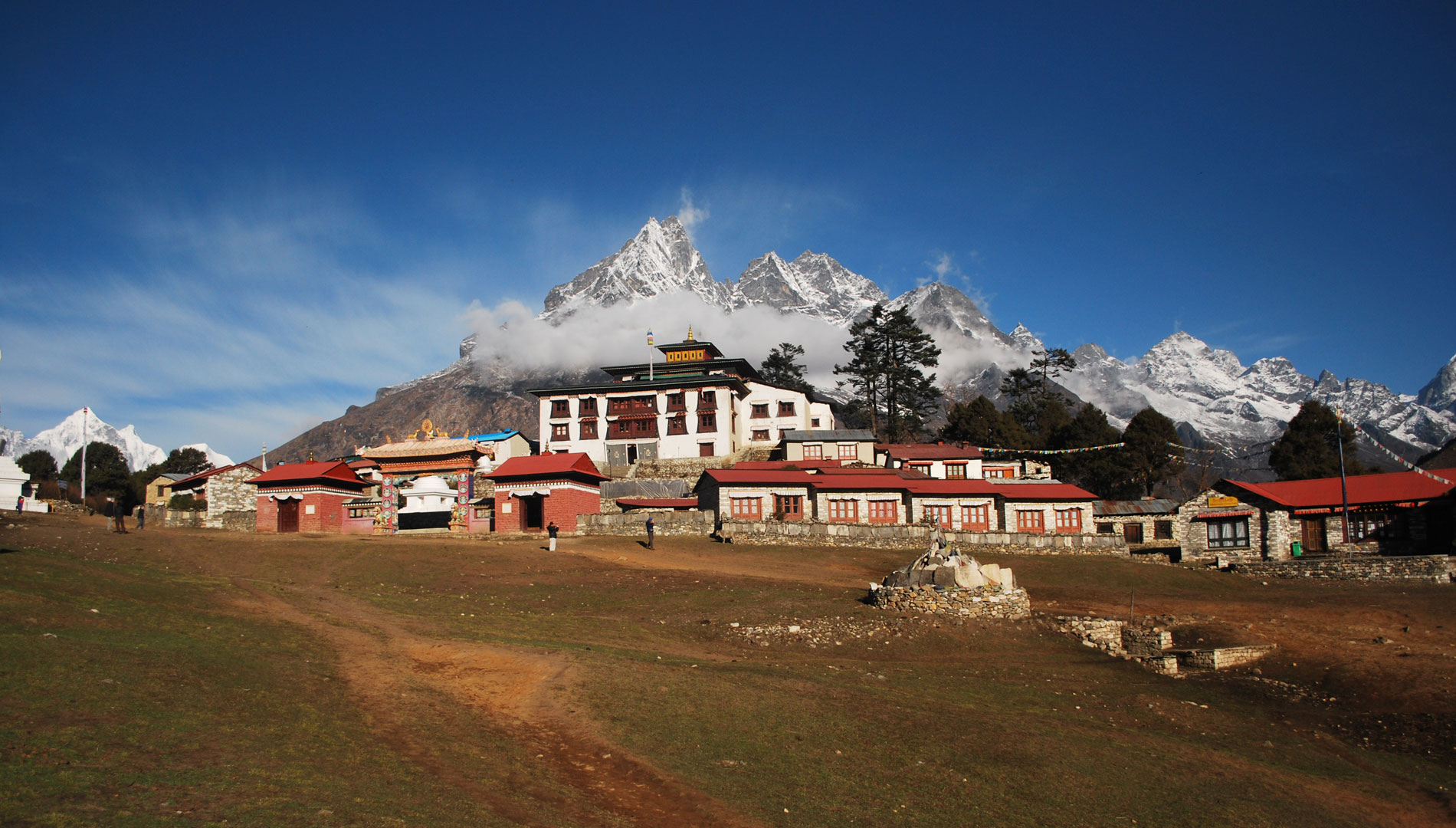
Everest View Trek
Everest / Solu Khumbu RegionEverest View Trek is a shorter trekking option in the Everest region of Nepal, designed for those who want to experience the beauty of the Everest region without undertaking the full Everest Base Camp trek.
- 3,860m (12,665ft)
- 2-9 days
- $150 – $1140
| # | Packages | Price |
|---|---|---|
| 1 | Everest View Trek 6 days | $1060 |
| 2 | Everest View Trek 9 days | $1140 |
| 3 | Everest View Trek 2 days | $150 |
| 4 | Everest View Trek 3 days | $225 |
| 5 | Everest View Trek 5 days | $650 |
| 6 | Everest View Trek 4 days | $550 |
| 7 | Everest View Trek 7 days | $850 |
| 8 | Everest View Trek 8 days | $1040 |
Everest View Trek FAQs
The Everest View Trek typically takes 5 to 7 days to complete, starting and ending with a scenic flight between Kathmandu and Lukla. The standard structural itinerary covers roughly 5 days of active valley walking, making it an ideal short-duration choice for those who cannot commit to the full 14-day Base Camp journey.
The trek is classified as easy to moderate difficulty, making it highly accessible for beginners, family groups, and senior travelers. While it requires no technical climbing experience or extreme high-altitude endurance, trekkers will still face steady uphill stone ascents, particularly the steep climb up to Namche Bazaar.
The maximum altitude reached on the standard trail is 3,880 meters (12,730 feet) at the iconic Everest View Hotel. If your itinerary extends further to the Tengboche Monastery village, you will reach a maximum sleeping elevation of 3,867 meters (12,687 feet), which minimizes severe altitude risks.
Yes, you get spectacular, clear views of Mount Everest from multiple premium vantage points along the route. The most prominent vistas open up from the high ridges just outside of Namche Bazaar, the balconies of the Everest View Hotel, and the spiritual grounds of the Tengboche Monastery.
Trekkers require two distinct, mandatory regional permits:
- Khumbu Pasang Lhamu Municipality Permit: Costs NPR 3,000 (approx. USD 23) per person and is purchased directly upon arriving at Lukla.
- Sagarmatha National Park Entry Permit: Costs NPR 3,000 (approx. USD 23) per person and can be acquired at the park gate in Monjo.
Yes, the Khumbu region allows independent solo trekking because its entry systems are managed independently by local municipality checkposts rather than central federal entities. However, hiring a licensed local guide is still highly recommended for path-finding security and cultural interaction.
The best times to visit are Autumn (September to November) for perfectly stable, crisp skies and Spring (March to May) for blooming floral valleys and warmer climbing weather. Winter treks are clear but see extreme drop-offs in nighttime temperatures.
Accommodation consists of exceptionally well-developed local teahouses and luxury lodges. Most establishments provide twin-sharing structural setups, heated dining halls, inside electric blankets, and internal flush toilets which offer a higher baseline of comfort than deep circuit camps.
Yes, electricity and Wi-Fi data networks are widely accessible at nearly every single lodge stop along this specific route. Device charging and using network keys like Everest Link or regional cellular data tokens (Ncell or NTC) generally carry an added fee of 200 to 500 NPR.
Teahouses feature extensive western menus serving Dal Bhat, pizza, pasta, pastries, and fresh brewed coffee. Adhering to a vegetarian eating pattern is heavily advised to eliminate risks of processing meat that has been portered up without cold storage.

Rayza
Best views Well worth the struggle
One the best treks in the world, amazing views breathtaking scenery.
Gokyo Chola Pass Trek
Everest / Solu Khumbu RegionGokyo Chola Pass Trek is a challenging and rewarding trekking route in the Everest region of Nepal. It combines the stunning Gokyo Lakes, the Gokyo Ri viewpoint, and the adventurous Cho La Pass.
- 5,420 m (17,782 ft)
- 14-19 days
- $1350 – $1950
| # | Packages | Price |
|---|---|---|
| 1 | Gokyo Chola Pass Trek 20 days | $1950 |
| 2 | Gokyo Chola Pass Trek 19 days | $1850 |
| 3 | Gokyo Chola Pass Trek 16 days | $1550 |
| 4 | Gokyo Chola Pass Trek 14 days | $1225 |
| 5 | Gokyo Chola Pass Trek 15 days | $1450 |
| 6 | Gokyo Chola Pass Trek 17 days | $1650 |
| 7 | Gokyo Chola Pass Trek 18 days | $1750 |
Gokyo Cho La Pass Trek FAQs
The Gokyo Cho La Pass Trek typically takes 15 to 18 days to complete, beginning and ending with a flight through Lukla. The loop route seamlessly weaves through the serene Gokyo Lakes valley, crosses the high Cho La Pass summit, and links directly with the main Everest Base Camp trail for a complete Everest region circuit.
The trek is classified as strenuous and highly challenging. It demands excellent physical stamina and leg endurance to navigate steep, slippery icy scree trails over the high-altitude Cho La Pass, cross the unstable boulder fields of the Ngozumpa Glacier, and walk for 6 to 9 hours on high-altitude pass crossing days.
The highest overnight sleeping altitude is at Gorak Shep at 5,164 meters (16,942 feet), while the maximum walking peaks are Gokyo Ri at 5,357 meters (17,575 feet), the summit of Cho La Pass at 5,420 meters (17,782 feet), and the final viewpoint of Kala Patthar at 5,550 meters (18,208 feet).
Yes, carrying lightweight microspikes is highly recommended and often mandatory for crossing the Cho La Pass safely. The eastern descent of the pass features a steep, hard-packed glacier ice section that becomes dangerously slippery and unmanageable without proper boot footwear traction.
Trekkers require two primary regional permits to clear checkposts along the path:
- Khumbu Pasang Lhamu Municipality Permit: Costs NPR 3,000 (approx. USD 23) per person, obtainable directly upon arrival in Lukla.
- Sagarmatha National Park Entry Permit: Costs NPR 3,000 (approx. USD 23) per person, purchased at Monjo or Kathmandu.
While solo trekking is technically permitted in the Khumbu region, trekking the Cho La Pass completely unguided is strongly discouraged due to high alpine navigation hazards. Hidden glacial crevasses, shifting boulder scree, and rapid whiteout weather changes make a local guide essential for safety.
The ideal trekking windows are Autumn (October to November) and Spring (March to May) when high-altitude weather stabilizes. Winter crossings are highly dangerous due to deep snow blocks, and summer monsoons create high rockfall risks on the pass sides.
Accommodation consists of standard alpine mountain teahouses with basic twin-sharing rooms. Lodging options in major hubs like Gokyo and Namche offer decent amenities, but remote pass outposts like Dragnag and Dzongla have highly limited room availability and shared facilities.
Yes, teahouses serve classic carb-heavy meals like Dal Bhat, potatoes, fried rice, and pasta. Safe drinking water is best secured by utilizing portable water filters or chemical purification tablets with local tap water provided by the lodges.
Minimizing Acute Mountain Sickness (AMS) risks requires maintaining a very slow ascent pace and taking mandatory rest days in Namche Bazaar and Gokyo village. Trekkers must also consume 4 to 5 liters of water daily, avoid alcohol, and descend immediately if severe headache or nausea symptoms develop.

Dana L
Awesome place
The trek was amazing and I got to see Mt Everest on the first day.
Pikey Peak Trek
Everest / Solu Khumbu RegionPikey Peak Trek is a relatively lesser-known trekking route in the Solu Khumbu region of Nepal. The trek takes its name from Pikey Peak, which is a low-altitude trekking peak known for offering stunning panoramic views of the Himalayan range, including Everest.
- 4,065 m (13,335 ft)
- 5-13 days
- $650 – $1190
| # | Packages | Price |
|---|---|---|
| 1 | Pikey Peak Trek 13 days | $1190 |
| 2 | Pikey Peak Trek 5 days | $650 |
| 3 | Pikey Peak Trek 6 days | $690 |
| 4 | Pikey Peak Trek 7 days | $730 |
| 5 | Pikey Peak Trek 8 days | $770 |
| 6 | Pikey Peak Trek 9 days | $790 |
| 7 | Pikey Peak Trek 10 days | $950 |
| 8 | Pikey Peak Trek 11 days | $990 |
| 9 | Pikey Peak Trek 12 days | $1150 |
Pikey Peak Trek FAQs
The Pikey Peak Trek typically takes 5 to 7 days to complete, starting and ending with a drive between Kathmandu and Dhap or Phaplu. It is one of the most efficient short trekking options in the lower Solukhumbu region, making it perfect for hikers seeking Everest views without a 2-week commitment.
The trek is classified as easy to moderate difficulty, making it ideal for beginners, families, and solo hikers. It features gradual ridge climbs through rhododendron forests without any technical climbing, steep glacier crossings, or extreme high-altitude mountain challenges.
The maximum altitude reached is 4,065 meters (13,336 feet) at the summit of Pikey Peak, which is typically climbed early in the morning for sunrise views. The highest overnight accommodation along the route is usually at Pikey Peak Base Camp, which sits comfortably at 3,640 meters (11,942 feet).
Pikey Peak is famous for its panoramic sunrise views of Mount Everest, which Sir Edmund Hillary famously described as his favorite viewpoint in all of Nepal. From the top, you can view eight of the world's fourteen 8,000-meter peaks, including Dhaulagiri, Annapurna, Manaslu, Lhotse, Makalu, and Kanchenjunga.
Trekkers require two primary permits: the local municipality tourism fee (approx. NPR 2,000 / USD 15) and the Trekkers' Information Management Systems (TIMS) card (approx. NPR 2,000 / USD 15). Because it lies outside Sagarmatha National Park, expensive national park fees are avoided.
Yes, solo independent trekking is permitted on the Pikey Peak route because it falls outside of the highly restricted national park boundaries. However, hiring a local guide is recommended as trail signs are limited and ridge paths can become confusing in heavy cloud cover.
The best times to visit are Autumn (September to November) for crystal-clear mountain views and Spring (March to May) for valleys filled with blooming red and white rhododendrons. Winter trekking is possible but brings freezing nighttime temperatures.
Accommodation consists of authentic, community-run local teahouses and family homestays. Facilities are basic but cozy, featuring twin-sharing rooms, shared bathrooms, and open communal dining rooms centered around traditional wood-burning stoves.
Yes, basic electricity via solar or local hydro-power is available for device charging, but Wi-Fi networks are highly limited or absent at the higher camps. Cellular networks like Ncell and NTC provide decent coverage along most ridge lines.
The risk of Acute Mountain Sickness (AMS) is comparatively low because you only spend a short time above 3,500 meters. However, since the trail climbs steadily from the valleys, drinking 3 to 4 liters of water daily and pacing yourself remains necessary.

Koley A
Really enjoyable hike
We walked the panoramic hiking trail in Nagarkot and highly recommend it. Beautiful views.
Nagarkot Hiking
Bhaktapur DistrictNagarkot is a popular hill station located near Kathmandu, Nepal, known for its stunning panoramic views of the Himalayas, including Mount Everest. While it's not an extensive trek, there are several hiking trails in and around Nagarkot that offer beautiful landscapes and a peaceful escape from the bustling city.
- 2175m (7,000ft)
- 1-3 days
- $55 – $270
| # | Packages | Price |
|---|---|---|
| 1 | Nagarkot to Dhulikhel Hike | $270 |
| 2 | Nagarkot Changunarayan Day Hike | $33 |
| 3 | Nagarkot to Dhulikhel One Day Hike | $65 |
Nagarkot Hiking and Trekking FAQs
A standard day hike to Nagarkot typically takes 4 to 6 hours to complete, depending on your chosen starting point. The most popular trail configuration initiates from the UNESCO heritage site of Changu Narayan or the historical town of Sankhu, covering roughly 12 to 15 kilometers of walking before ascending to the ridge line resorts.
Nagarkot hiking routes are classified as easy to moderate difficulty, making them highly accessible for beginners, children, and senior travelers. The trails consist of gentle terrain, local terraced farmland dirt paths, and pine forest nature walks that avoid technical hazards.
Nagarkot is situated at an altitude of 2,175 meters (7,135 feet) above sea level. This low alpine elevation provides a crisp, cool escape from the urban heat and dust of the capital without exposing travelers to any risk of Acute Mountain Sickness (AMS).
Yes, on exceptionally clear days you can see Mount Everest from the Nagarkot View Tower as a tiny, distant white apex on the far eastern horizon. The peak is small to the naked eye, but the ridge line offers broad panoramic views of the Langtang, Ganesh Himal, Jugal, and Rolwaling ranges.
Foreign tourists require a local municipal entry permit costing NPR 339 (approx. USD 2.50) to enter the Nagarkot tourism area. No national park permits or TIMS cards are required for standard day hikes.
Yes, solo independent hiking to Nagarkot is completely permitted and very safe because the trails are close to the capital and pass through frequent villages. However, using offline GPS maps is recommended as trail signage can be sparse.
The absolute best times are dawn for the iconic Nagarkot sunrise and dusk for the sunset over the Kathmandu Valley. Most hikers arrive in the afternoon, stay overnight, and view the sunrise the following morning.
The most famous trails are the Nagarkot Eco-Trail (Nature Walk), the hike from Changu Narayan to Nagarkot, and the extended multi-day rim trek from Chisapani to Nagarkot and Dhulikhel.
You can reach the trailheads by hiring a private taxi or taking a local public bus via Bhaktapur to Sankhu or Changu Narayan. Organized private transfers can also be booked through local travel agencies.
Nagarkot offers highly developed accommodation options ranging from budget homestays and backpacker hostels to premium luxury resorts with private Himalayan-view balconies, reliable Wi-Fi, and 24/7 hot water.

Joshuah T
Short and Fantastic!
Nice chance to stretch your legs for a few hours, walk through a few small villages, quiet & peaceful, and a fantastic view of the mountains and KTM valley from the top
Day Hike in Nepal
Around KathmanduReady to check out the best hiking trails in Nepal? The day hike gives you a taste of walking the Nepali trails and enjoying mountains. So strap on your best pair of hiking boots, learn about hiking in Nepal and its most popular routes, and discover what makes a multi-day trekking journey in the Himalayas so special.
- 2,285 m (7,495 ft)
- 1 day
- $55 – $65
| # | Packages | Price |
|---|---|---|
| 1 | Champadevi Day Hike | $55 |
| 2 | Namobuddha Day Hike | $65 |
Kathmandu Day Hike & Tour FAQs
The top day hiking trails around Kathmandu are the Champadevi Hike, Shivapuri National Park Trail, Nagarjun Jamacho Hike, and the classic Changu Narayan to Nagarkot route. These specific trail setups provide an immediate escape into lush subtropical forests and local farming villages without requiring multi-day commitments or domestic flights.
Most day hikes around the Kathmandu Valley are classified as easy to moderate difficulty. They do not require professional mountaineering background or specialized climbing gear; however, paths like Jamacho or Shivapuri Peak do feature sustained stone-stair climbing that requires basic physical fitness.
Yes, permits are required if your trail enters a protected national park zone. For example, entering the Shivapuri Nagarjun National Park requires an entry permit costing NPR 1,000 (approx. USD 7.50) plus taxes for foreign nationals. Trails on open public valley rims like Champadevi require no permits.
Yes, on crystal-clear mornings you can see Mount Everest from the Nagarkot or Chandragiri hillsides. While Everest looks like a small white pyramid on the distant horizon, these day viewpoints offer sweeping vistas of closer ranges like Langtang Lirung, Dorje Lakpa, and Ganesh Himal.
Yes, independent solo hiking is safe and permitted on most trails around Kathmandu, but hiring a local guide is highly recommended for dense national park routes. Thick forests, intersecting local trails, and sparse markings can make navigation tricky without local assistance.
You should pack comfortable trail shoes, a windbreaker jacket, and at least 2 liters of water. Additionally, bringing portable power banks, sunscreen, a basic first-aid kit, lightweight snacks, and downloading offline mapping apps will keep you well-prepared.
The absolute best seasons are Autumn (September to November) and Spring (March to May) due to pristine mountain visibility and stable trail conditions. Winter hikes are also excellent, though early mornings can be cool and misty before the valley fog clears.
You can quickly reach trailheads by hiring a taxi using local ride-sharing apps like Pathao or InDrive. Alternatively, you can book an all-inclusive guided day tour package through a local operator that provides dedicated round-trip private transport from your hotel.
Yes, basic tea shops are available at the base of most trails, but options vanish completely once you enter deep forested ridges. It is essential to stock up on snacks and adequate fluids before stepping onto the mountain paths.
The absolute must-visit cultural points are the seven UNESCO World Heritage sites within the valley. These include the historic Kathmandu, Patan, and Bhaktapur Durbar Squares, the holy temples of Pashupatinath and Changu Narayan, and the ancient stupas of Boudhanath and Swayambhunath.